

A lot of people spend months researching dental implants before ever scheduling a consultation. They zoom into before-and-after photos, read recovery stories at midnight, and wonder whether the procedure will feel as intense as people online claim. Some worry about surgery. Others worry about healing time, failed implants, or whether the final tooth will actually feel natural while eating tacos in Montrose or grabbing barbecue near The Heights.
What most patients discover later is that the implant process feels far more structured and predictable than they expected. Modern implant dentistry is carefully planned in stages, with each phase designed to help the implant heal securely and function like a real tooth. Understanding that timeline often removes much of the fear surrounding treatment.
At Fantastic Smiles of Houston, patients receive implant treatment focused on long-term comfort, stability, and natural aesthetics. Dr. Jean D. Morency believes patients should fully understand every step in getting dental implants before proceeding so they can feel confident in their decisions. If you are considering implants or replacing missing teeth, you can contact the office to schedule a consultation and learn what to expect from start to finish.
One of the biggest misconceptions about implants is that they work like placing a filling or crown in a single visit. In reality, implant treatment follows a biological healing process that cannot be rushed.
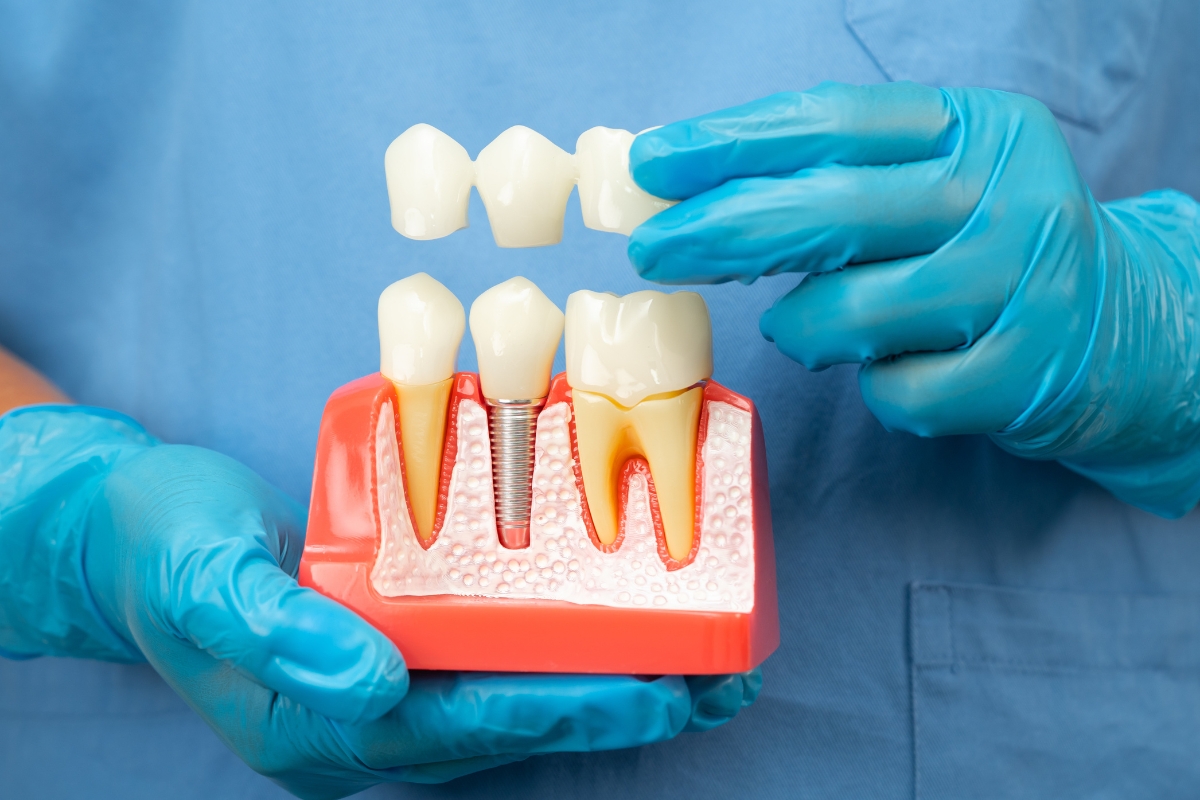
The implant itself acts like an artificial tooth root. Once placed inside the jawbone, it needs time to fuse naturally with the surrounding bone tissue. That fusion creates the strength needed to handle everyday chewing pressure.
According to the National Institute of Dental and Craniofacial Research, tooth loss remains extremely common among adults in the United States, especially as people age. Replacing missing teeth early helps reduce bone deterioration and shifting teeth over time.
Patients often appreciate learning this upfront because the timeline suddenly makes sense. The treatment is not slow because something is wrong. It is slow because the body needs time to rebuild stability beneath the gums.
Every implant case starts with detailed planning. This stage determines whether the jawbone can support the implant securely and whether additional preparation may be necessary beforehand.
Digital scans and X-rays help evaluate bone density, gum health, and nearby structures. Some patients qualify for implants immediately, while others may first need procedures such as bone grafting or tooth removal.
This consultation stage also helps answer practical questions that patients often hesitate to ask online:
The planning process helps remove uncertainty before treatment even begins.
Patients living in busy areas like Downtown or the Museum District often prefer to understand the full timeline in advance so they can plan treatment around work schedules, travel, and social commitments.
The actual implant placement procedure is usually much easier than patients imagine beforehand.
The area is fully numbed before treatment starts. Most people feel pressure rather than pain during the procedure itself. Sedation options may also help anxious patients feel more relaxed throughout the appointment.
During surgery, the dentist carefully places a titanium implant post into the jawbone beneath the gum tissue. Titanium works well because the body naturally accepts it and bonds with it during healing.
This begins the first-stage healing of the dental implant.
The first several days usually involve:
Most patients describe recovery as more manageable than they expected. Many return to normal activities within a day or two while following post-operative instructions carefully.
Soft foods become especially popular during this period. Around here, patients often joke that queso, mashed potatoes, smoothies, and soft breakfast tacos suddenly become part of the healing plan.
The healing phase is where the real magic of implant dentistry happens.
After placement, the first stage of dental implant healing begins with the jawbone slowly growing around the implant in a process called osseointegration. This creates the stable foundation needed to support the future crown.
The process of dental implants depends heavily on this stage because the implant must become part of the jaw structure itself.
Healing usually follows this timeline:
Swelling and soreness gradually decrease. Most patients stay on softer foods while keeping the area clean.
The gums continue healing while the implant remains protected beneath the surface. Most daily activities feel normal again during this stage.
Bone continues integrating with the implant. This stage creates long-term stability and strength.
These dental implant healing stages are extremely important because rushing the process increases the risk of implant failure later. Strong healing now helps implants remain secure for decades.
A common fear patients have involves walking around with a visible missing tooth for months.
Fortunately, many implant patients qualify for temporary restorations while healing takes place. Temporary teeth help maintain appearance and confidence during treatment without placing excessive pressure on the healing implant.
This matters more than people realize. Whether someone works in the Energy Corridor, attends social events near River Oaks, or spends weekends around Discovery Green, feeling comfortable smiling during treatment makes a major difference emotionally.
Temporary restorations also help patients adjust gradually to how the final implant will feel later.
Once the implant fully bonds with the jawbone, the next step begins.
A small connector piece called an abutment attaches to the implant beneath the gums. This connector eventually supports the final crown.
Compared to implant surgery, this appointment is usually brief and minimally uncomfortable. The gums heal around the abutment over the next couple of weeks, shaping the gumline naturally around the future tooth.
This phase is often overlooked online, yet it plays a major role in the final cosmetic outcome.
Patients start noticing something important during this stage. The implant no longer feels like a “procedure.” It starts feeling like part of their smile again.
The crown is the visible tooth portion attached to the implant.
Modern implant crowns are custom-designed to match nearby teeth in shape, color, and texture. The goal is to create a restoration that blends naturally instead of standing out.
Digital impressions now make this process far more precise than older methods.
This stage also represents the Last step of dental implants from a treatment perspective. Once the crown is secured, patients can usually eat, smile, and speak normally again.
Many people notice improvements immediately after receiving the final crown:
Patients often say they stop thinking about the implant entirely after several weeks because it begins feeling so natural.
Dental implants do not get cavities, but they still require proper maintenance.
The surrounding gums and bone must stay healthy to support the implant long term. Poor oral hygiene can still lead to inflammation or bone loss around implants.
Good implant care includes:
The good news is that implants often feel easier to maintain than people expect.
Unlike removable dentures that may slip while eating seafood near the Gulf or enjoying brisket at local smokehouses, implants stay fixed securely in place. That stability becomes one of the biggest lifestyle advantages patients mention afterward.
Most implant anxiety comes from uncertainty rather than the procedure itself. Patients hear isolated stories online without understanding the full sequence of treatment and healing.
Once the stages are explained clearly, the process becomes far less intimidating. Each phase has a specific purpose designed to improve long-term success, comfort, and appearance.
At Fantastic Smiles of Houston, implant treatment focuses on restoring function in a way that feels stable, natural, and long-lasting. If you are considering implants or exploring tooth replacement options, you can reach out here to schedule a consultation and learn which treatment approach fits your needs best.
Most implant cases take several months because healing occurs between stages. Bone integration alone often requires three to six months before the final crown placement happens.
Most patients report mild soreness rather than severe pain after surgery. Numbing techniques and post-operative instructions help keep recovery manageable during the healing period.
Soft foods work best during early healing. Smoothies, eggs, soup, yogurt, and mashed potatoes usually feel more comfortable while the surgical area recovers.
Implants can fail if healing becomes disrupted by smoking, infection, or poor bone integration. Following aftercare instructions carefully significantly improves long-term success rates.
Many patients qualify for temporary restorations while implants heal. These temporary teeth help maintain appearance and confidence throughout treatment.
Digital scans help determine bone density and jaw structure. Some patients may require bone grafting before implant placement to improve support.
Most patients say implants feel remarkably natural after healing finishes. Once fully integrated, the implant often feels stable and comfortable during everyday activities.