

Everyone wants a smile that looks bright, fresh, and confident. But over time, everyday habits like coffee, tea, or even natural aging can leave teeth looking dull or stained. The good news is that whitening can restore that sparkle, but choosing the right method matters. When comparing At Home vs Professional Teeth Whitening, understanding the differences in safety, effectiveness, and results can help you make the best decision for your smile.
Before deciding how to whiten your teeth, it’s important to understand why they become discolored in the first place.
There are two main types of stains:
Surface stains are usually easier to treat, while deeper discoloration may require more advanced care for noticeable improvement.
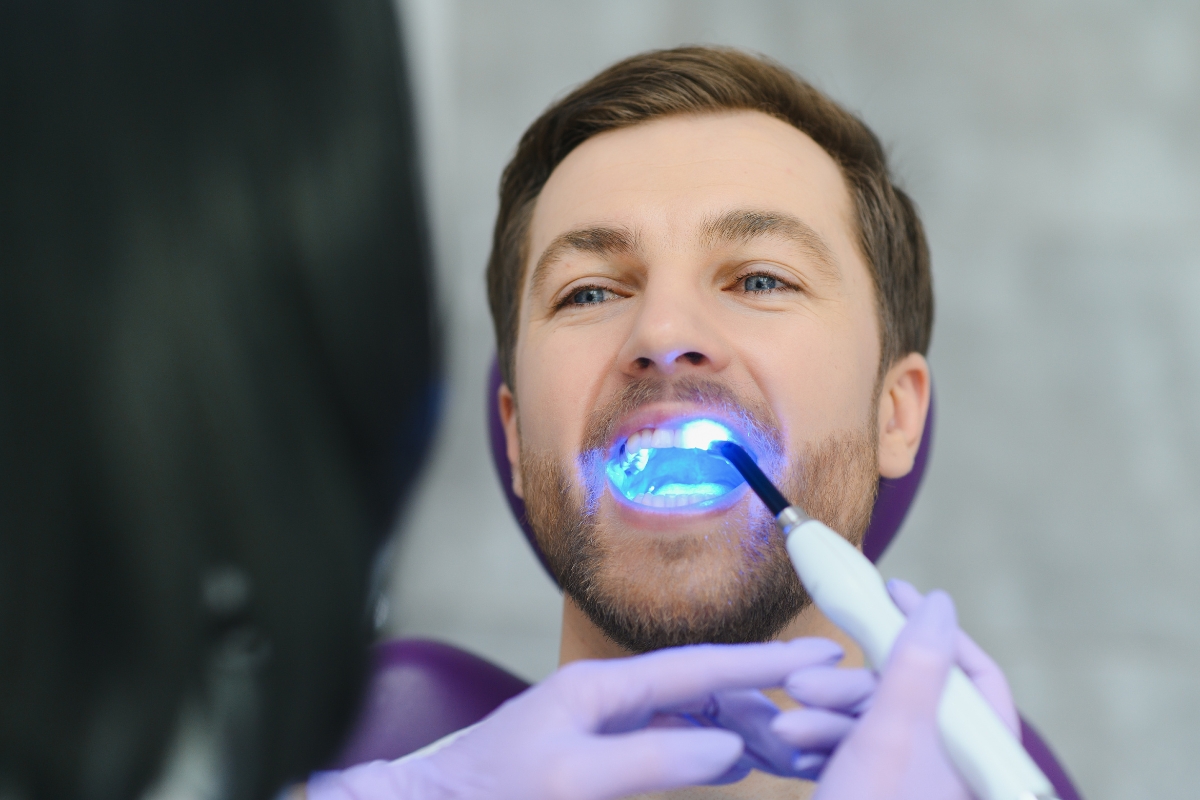
Professional whitening is performed under the supervision of a dentist using high-quality, medical-grade whitening agents. The process is designed to safely lift stains and brighten your smile in a controlled environment.
During treatment:
The entire process is efficient and often completed in about an hour.
If you’re looking for the best way to whiten teeth professionally, this option offers several clear advantages:
For many patients, this approach delivers the most reliable and satisfying teeth whitening results.
At-home whitening solutions are widely available and include:
Some dental offices also provide custom take-home trays, which offer better fit and control compared to store-bought options.
These methods can help reduce mild surface stains but typically require consistent use over time.
Advantages:
Limitations:
While at-home kits can support safe teeth whitening when used correctly, they often fall short when deeper or stubborn stains are involved.
For mild stains, at-home options can help. But for deeper discoloration or more dramatic improvement, professional whitening offers a clear advantage.
A major advantage of professional care is that your dentist evaluates the cause of discoloration before treatment, ensuring you’re not relying on ineffective solutions.
If your goal is a noticeably brighter smile without guesswork, professional whitening is often the better investment. It’s especially helpful if:
For those considering options like Teeth Whitening in Houston, professional care ensures your treatment is both effective and tailored to your unique smile.
Once your teeth are brighter, maintaining that glow becomes the next priority. Here are simple ways to extend your results:
Consistent care plays a big role in how long your teeth whitening results last.
There’s a lot of mixed advice out there about whitening—and not all of it is accurate. Here’s what actually holds up:
Not when it’s done correctly. Professional whitening is designed to lift stains without harming your enamel. The key is proper application and the right concentration.
They can help a little, especially with surface stains—but they’re not as strong. That’s why results tend to be slower and less noticeable.
Unfortunately, no. Teeth can pick up new stains over time, especially if coffee, tea, or wine are part of your routine. Maintenance matters.
Some people notice mild sensitivity, but it’s usually temporary. With professional care, steps are taken to keep you comfortable throughout the process.
Choosing between at-home and professional whitening isn’t just about convenience, it’s about getting results you can feel confident about. While store-bought options may seem easy, they often leave people wondering why the change isn’t as noticeable or long-lasting as expected.
If you’re looking for a smile that looks naturally brighter, not overdone or uneven, professional guidance can make all the difference. It takes the guesswork out of the process and ensures your teeth are treated safely, based on what they actually need.
Yes, it’s safe when performed by a dental professional. The process is carefully controlled to protect your gums and enamel while delivering effective, predictable results.
Results can last several months to a year. Longevity depends on your diet, oral hygiene habits, and lifestyle choices like smoking or frequent coffee consumption.
Not always. Surface stains respond well, but deeper discoloration may require alternative cosmetic treatments for the best outcome.
Mild sensitivity can occur temporarily. Professional treatments are designed to minimize discomfort and often include protective measures for sensitive teeth.
It varies by individual. Professional whitening is typically done less frequently, while maintenance may include occasional touch-ups based on your dentist’s recommendation.