

You’ve probably seen dramatic smile transformations featuring porcelain veneers. But before considering them, one question may concern you: Will veneers damage my natural teeth?
The answer is more reassuring than you might expect. Porcelain veneers do not automatically ruin healthy teeth. However, traditional veneers generally require permanent enamel removal, making careful treatment planning essential.
At Fantastic Smiles of Houston, Dr. Morency helps patients understand their cosmetic dental options before making treatment decisions. If you’re considering veneers, understanding what happens to your natural teeth can help you approach treatment with confidence.
Porcelain veneers are thin ceramic shells bonded to the front surfaces of teeth. They improve the appearance of discoloration, chips, minor gaps, and uneven tooth shapes.
When planned and placed properly, veneers can improve smile aesthetics while preserving much of the underlying tooth structure.
However, traditional veneer placement usually involves removing a thin layer of enamel. Because enamel cannot regenerate, this change is permanent.
Our cosmetic dentist evaluates how much preparation each tooth requires while considering its existing condition.
The important distinction is that modifying a tooth does not necessarily mean ruining it. Nevertheless, veneers involve permanent changes and potential complications that patients should understand.
Misconceptions about veneers can make patients hesitant to explore treatment. Understanding the clinical facts helps separate legitimate concerns from misleading information.
Fact: Traditional porcelain veneers generally require much less tooth reduction than dental crowns.
The dentist typically removes a thin portion of enamel from the front surface to accommodate the restoration.
Unlike crowns, which cover most or all visible tooth surfaces, veneers primarily cover the front.
Preparation varies based on tooth alignment, shape, and the desired result.
Our cosmetic dentist in Houston can examine your enamel and determine whether conventional or minimal-preparation veneers may be appropriate.
Fact: Veneers do not automatically cause tooth decay.
However, the natural tooth remains vulnerable to cavities, particularly around exposed surfaces and veneer margins.
Poor oral hygiene, plaque accumulation, or compromised bonding can increase the risk of complications.
Daily brushing, flossing, and routine dental examinations remain essential after veneer placement.
Fact: Porcelain veneers are durable but not permanent restorations.
According to Cleveland Clinic, veneers commonly last approximately 10 to 15 years with appropriate care.
Their longevity depends on oral hygiene, bite forces, material condition, and daily habits.
Chipping, fractures, gum changes, or bonding problems may eventually require repair or replacement.
Fact: Some patients experience temporary sensitivity following enamel preparation.
Sensitivity may occur because removing enamel changes the tooth’s protective outer surface.
However, not everyone develops discomfort, and sensitivity varies from patient to patient.
Persistent pain, increasing sensitivity, or discomfort when biting warrants a dental examination.
Understanding the procedure can help you recognize how dentists approach tooth preservation.
For patients considering porcelain veneers in Houston, treatment generally involves several stages.
The dentist examines your teeth, gums, enamel, and bite.
Existing cavities, gum inflammation, or significant grinding habits may need attention before proceeding.
The cosmetic dental professional also discusses your expectations and whether veneers can realistically address your concerns.
If traditional veneers are appropriate, the dentist removes the necessary amount of enamel.
The objective is to create enough space for natural-looking restorations without unnecessary tooth reduction.
Digital scans or impressions help guide veneer fabrication.
Once the restorations are ready, the dentist checks their fit, color, and appearance.
The veneers are then bonded to the prepared teeth using dental adhesive.
Final adjustments help establish appropriate contact with surrounding teeth.
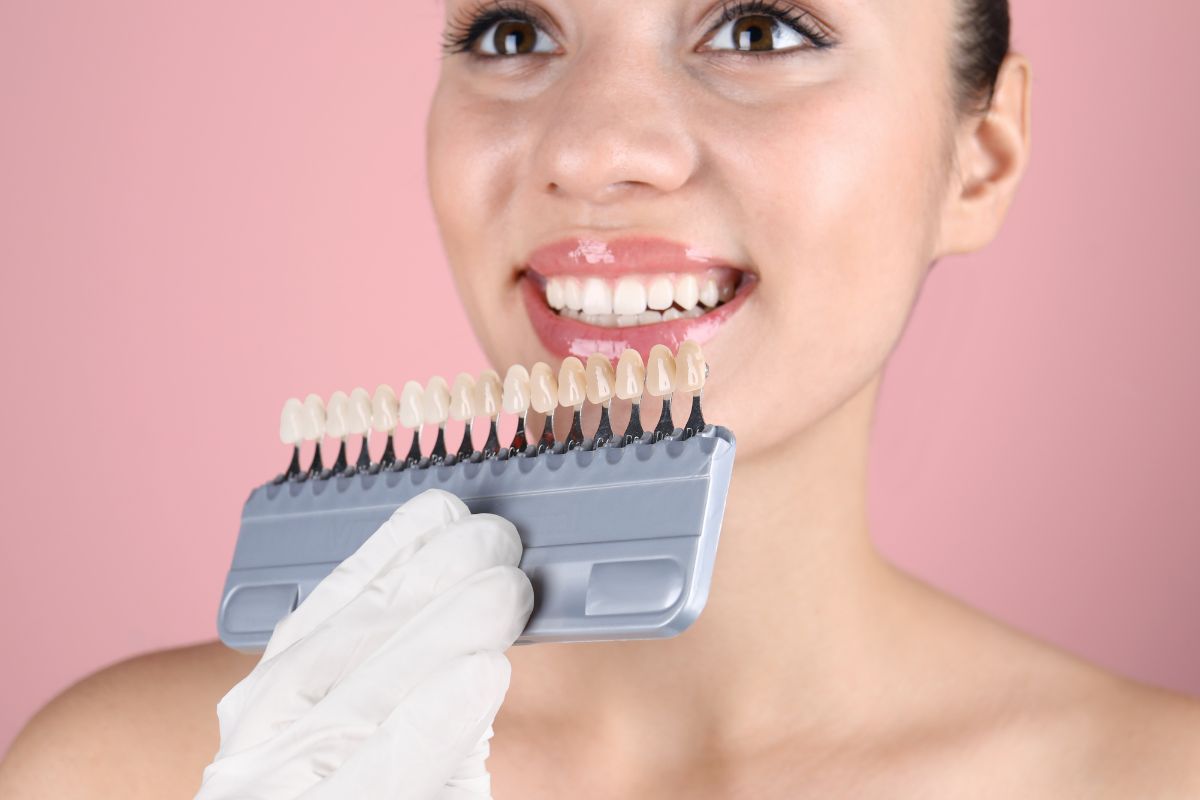
Minimal-preparation veneers require less enamel reduction than conventional restorations. Certain cases may involve little or no tooth preparation.
However, these options are not suitable for everyone.
Patients with crowded, prominent, or significantly misaligned teeth may need additional preparation to avoid bulky restorations.
A cosmetic dentist in Houston can compare the available approaches based on tooth structure and aesthetic goals.
Preserving more enamel is valuable, but the final decision must also consider bite function and restoration stability.
Porcelain veneers are not necessary for every cosmetic concern.
Before selecting treatment, consider whether another procedure could address the problem while preserving additional natural tooth structure.
Potential alternatives include:
For example, patients interested primarily in brighter teeth may consider teeth whitening in Houston before committing to permanent restorations.
Our cosmetic dentist can explain which options align with your oral health and cosmetic concerns.
Proper maintenance helps reduce complications and supports the long-term condition of veneered teeth.
Follow these recommendations:
Porcelain resists many everyday stains, but surrounding natural teeth can still discolor.
Maintaining consistent oral hygiene helps protect both the restorations and the uncovered tooth surfaces.
Patients with healthy teeth and gums may be candidates for porcelain veneers.
Treatment may be considered for persistent discoloration, small gaps, uneven tooth lengths, or minor cosmetic damage.
However, untreated decay, active gum disease, and severe teeth grinding can complicate treatment.
The cosmetic dentist in Houston can assess these concerns before recommending permanent changes.
Patients interested in porcelain veneers in Houston should discuss enamel removal, maintenance requirements, and future replacement needs during their consultation.
Porcelain veneers do not automatically ruin natural teeth, but they require careful planning and long-term maintenance. Understanding enamel preparation, potential complications, and available alternatives can help you make an informed decision.
If you want to correct discoloration, chipped teeth, or uneven tooth shapes, our team at Fantastic Smiles of Houston can help you explore suitable cosmetic dental treatments.
Schedule your porcelain veneer consultation today! Call us at +1 (832) 781-3801 or visit our Houston dental office to discuss your smile goals, explore treatment options, and learn how porcelain veneers can enhance your smile’s appearance.
Can You Remove Porcelain Veneers and Return to Natural Teeth?
Traditional veneers generally require permanent enamel removal. Therefore, removing them usually leaves teeth needing another restoration. Although a veneer can be replaced, the original tooth structure cannot be fully restored. Discuss this commitment during your cosmetic consultation.
Can Cavities Develop Under Porcelain Veneers?
Yes. Natural tooth structure remains vulnerable to decay, especially around the edges of veneers and on uncovered surfaces. Brushing, flossing, and routine examinations help identify potential problems. A dental evaluation is necessary if you notice pain, sensitivity, or visible changes.
Do Porcelain Veneers Weaken Your Teeth?
Removing enamel permanently changes tooth structure and may increase sensitivity or certain risks. However, conservative preparation and appropriate bonding can support the remaining tooth. The effect depends on enamel thickness, existing damage, bite forces, and restoration design.
Are Porcelain Veneers Better Than Dental Bonding?
Neither treatment suits every patient. Porcelain typically offers greater stain resistance and may last longer, while bonding often requires less enamel removal. A cosmetic consultation can help determine which approach addresses your concerns without unnecessary treatment.
Can You Get Veneers With Sensitive Teeth?
Possibly. Existing sensitivity does not automatically rule out veneers, but its cause should be investigated first. Tooth decay, enamel erosion, gum recession, and grinding may contribute to discomfort. Treating these problems before cosmetic work may reduce complications.
How Do I Know Whether Porcelain Veneers Are Right for Me?
A comprehensive dental examination is the starting point. Your dentist will assess enamel health, gum condition, bite alignment, and cosmetic goals. This evaluation helps determine whether veneers or another treatment could improve your smile while preserving tooth structure.