

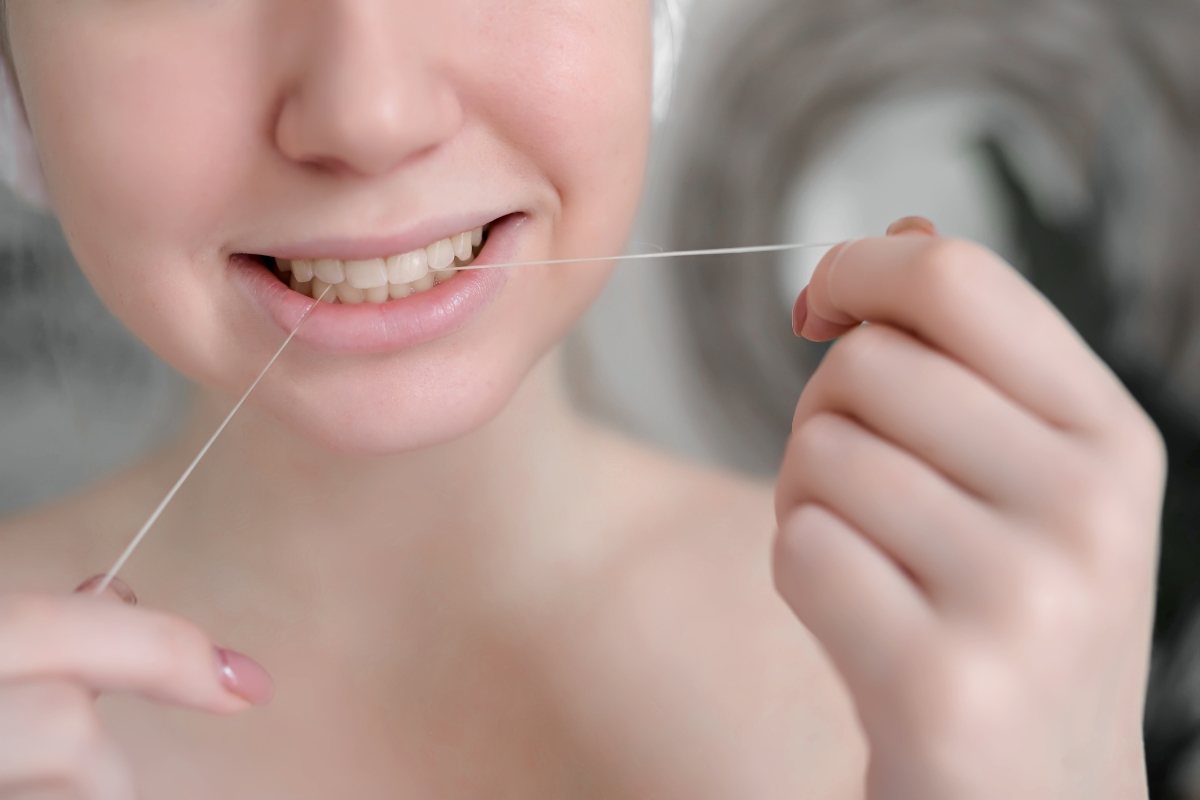
You brush your teeth every day but flossing often feels like the step that gets skipped when you’re tired or in a rush. If you’ve ever wondered how often to floss, you’re not alone. It’s one of the most common questions dentists hear, and the answer is simpler than you might think.
Flossing isn’t just an “extra” step, it plays a key role in keeping your gums healthy and preventing problems that brushing alone can’t fix. Let’s break it down in a way that’s easy to follow and actually fits into your routine.
Before we get into frequency, let’s quickly understand what is flossing.
Flossing is the process of cleaning between your teeth using a thin thread or tool. These tight spaces are where food particles and plaque tend to hide—areas your toothbrush simply can’t reach.
Skipping flossing can lead to:
Think of flossing as the step that completes your oral hygiene routine—not just an optional add-on.
Here’s the clear, dentist-approved answer:
You should floss at least once a day.
That’s enough to remove plaque buildup before it hardens into tartar. If you’re asking how many times should you floss in a day, once daily is ideal for most people—but consistency matters more than frequency.
Flossing at night helps remove food and plaque accumulated throughout the day, giving your mouth a cleaner environment while you sleep.
When you skip flossing, plaque starts building up between your teeth within 24 hours. Over time, this can lead to:
Even if your teeth look clean, bacteria can still hide where your toothbrush can’t reach.
If flossing feels uncomfortable or ineffective, technique might be the issue. Here’s a simple way to do it right:
Avoid snapping the floss into your gums—it should be gentle, not forceful.
Flossing with braces can feel tricky, but it’s absolutely essential.
Proper flossing helps prevent plaque buildup around brackets and wires, which can lead to staining or gum issues.
If traditional floss feels difficult, a water flosser can be a great alternative.
Knowing how to use a water flosser properly can make your routine easier—especially if you have braces, sensitive gums, or dental work.
Water flossers are effective, but they work best when used correctly.
For many people, using either consistently is more important than choosing one over the other.
If flossing causes pain, bleeding, or feels difficult, don’t ignore it. These could be signs of early gum issues or improper technique.
Getting guidance from experienced Dental Hygienists in Houston can help you improve your routine and protect your oral health long-term.
Building a flossing habit doesn’t have to feel overwhelming.
Try this:
The goal is simple: make flossing part of your daily rhythm.
Flossing might seem like a small step, but it has a big impact on your overall oral health. Once you make it a daily habit, you’ll likely notice healthier gums, fresher breath, and fewer dental issues over time.
If you’re unsure about your flossing technique or want personalized guidance, it’s always a good idea to get professional advice.
Our team at Fantastic Smiles of Houston is here to help you build healthy habits that last. Schedule your appointment today and take the next step toward stronger teeth and healthier gums.
You should floss at least once a day to remove plaque and food particles between teeth. Daily flossing helps prevent gum disease and cavities in hard-to-reach areas.
Yes, flossing more than once is safe if done gently. However, once daily is usually enough for maintaining good oral health.
Flossing before brushing is recommended because it loosens debris and plaque, allowing your toothpaste to clean more effectively between teeth.
Mild bleeding can happen if you’re new to flossing or have gum inflammation. If it continues beyond a week, consult a dentist.
Water flossers are a great alternative, especially for people with braces or sensitive gums. They help remove debris and bacteria using a gentle stream of water.