
Missing teeth can affect more than your smile. Over time, the jawbone beneath missing teeth may shrink, making tooth replacement more complicated.
If you’ve been told you don’t have enough jawbone for dental implants, you may wonder whether treatment is still possible.
Yes, many patients with jawbone loss can still receive dental implants. However, some may need bone grafting or other procedures before implant placement.
At Fantastic Smiles of Houston, Dr. Morency provides dental implant consultations and treatment options for patients with missing teeth. If you’re considering implant dentistry in Houston, understanding how bone loss affects treatment can help you make an informed decision.
Dental implants require sufficient healthy bone to provide stability and support replacement teeth.
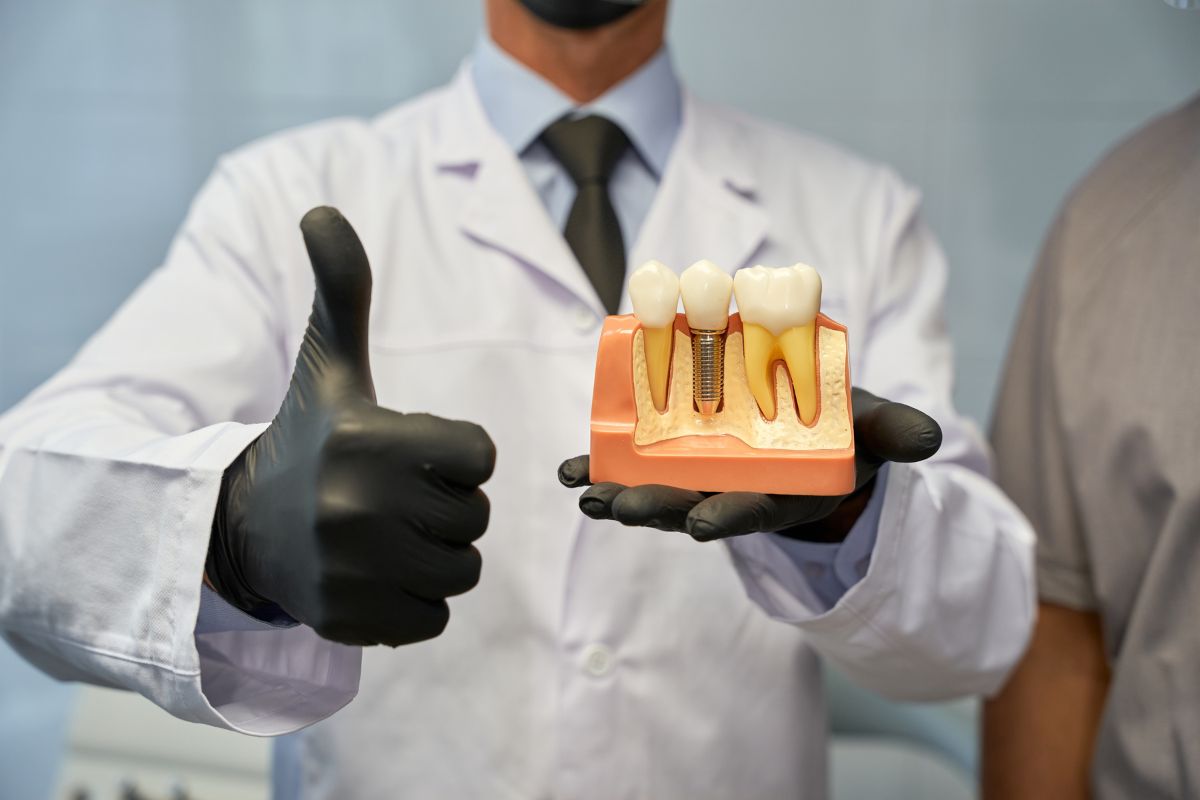
An implant functions as an artificial tooth root. During healing, the surrounding jawbone gradually bonds with its surface through a process called osseointegration.
When significant bone loss occurs, the jaw may lack adequate height, width, or density to safely support an implant.
However, bone loss does not automatically disqualify someone from treatment.
Depending on its severity and location, procedures such as bone grafting may help create a more suitable foundation.
A dental examination and appropriate imaging are necessary to determine your options.
Understanding why bone loss develops can help patients recognize the importance of timely treatment.
Natural tooth roots transmit chewing forces to the surrounding jawbone.
After tooth loss, the bone no longer receives the same mechanical stimulation.
Over time, this change can contribute to a reduction in bone volume in the affected area.
Periodontal disease develops when inflammation and infection damage the tissues supporting your teeth.
In advanced cases, the condition can destroy portions of the surrounding bone.
Untreated gum disease may also increase complications during future implant treatment.
Serious injuries, fractured teeth, and longstanding dental infections can damage supporting bone.
Some patients also have naturally narrow jaw ridges or anatomical differences that limit available bone.
The amount of remaining bone influences treatment planning.
An initial consultation helps determine whether your jaw can support implants or requires additional preparation.
Our Houston dentist will review your dental history, gum health, missing teeth, and relevant medical conditions.
Diagnostic evaluation may include:
These findings help determine whether conventional implant placement is possible.
They also guide decisions about additional procedures and potential treatment risks.
Advances in implant treatment allow clinicians to consider several approaches when patients have insufficient jawbone.
The appropriate option depends on bone availability, missing tooth location, and overall oral health.
Bone grafting is one of the most established methods for addressing insufficient jawbone before implant placement.
During the procedure, bone graft material is placed in an area requiring additional support.
The material may come from the patient’s body, a donor source, an animal-derived source, or a synthetic substitute.
Over time, the graft may support new bone formation.
Once sufficient healing occurs, the clinician evaluates whether the area can accommodate an implant.
For patients exploring implants dentistry, bone grafting may expand treatment possibilities when existing bone is inadequate.
A sinus lift may be considered when bone loss affects the back portion of the upper jaw.
The procedure creates additional space for bone graft material beneath the sinus membrane.
This can increase the available bone height for implant placement.
However, sinus augmentation is not necessary for every patient with upper jawbone loss.
Some patients have enough bone height but insufficient width.
Ridge augmentation involves rebuilding portions of the jaw ridge to create additional support.
This procedure may be considered after significant bone loss, trauma, or longstanding tooth loss.
The need for grafting depends on the planned implant position and available anatomy.
In selected situations, clinicians may consider different implant dimensions or positions.
Shorter or narrower implants can sometimes reduce the need for extensive grafting.
However, they are not suitable for every patient or restoration.
Some patients missing multiple teeth may also qualify for full-arch implant-supported restorations.
A Houston dentist can discuss whether these approaches are appropriate after reviewing diagnostic findings.
Bone graft healing varies based on graft size, location, and the patient’s medical condition.
Some procedures allow implant placement at the same appointment.
Others require several months of healing before implant surgery can begin.
The graft must develop adequate stability and bone support before proceeding.
Factors that can influence recovery include:
Bone grafting cannot guarantee that sufficient bone will develop for implant placement.
Regular follow-up appointments help monitor healing and determine the next stage of treatment.
Dental implants transmit chewing forces into the surrounding bone.
This stimulation can help preserve bone in the area supporting the implant.
However, implants cannot reverse all existing jawbone loss.
They also require ongoing maintenance because inflammation around implants can damage supporting tissues.
Proper oral hygiene, periodontal monitoring, and routine dental examinations remain necessary.
Patients interested in implants dentistry should understand both the potential benefits and long-term maintenance requirements.
Although many patients with bone loss can receive treatment, certain conditions may complicate implant placement.
These include:
These factors do not always permanently prevent treatment.
Your dentist must evaluate individual risks and determine whether additional treatment or another tooth replacement method is appropriate.
Jawbone loss can complicate dental implant placement, but it does not necessarily eliminate your treatment options.
Bone grafting, ridge augmentation, and other approaches may help certain patients become candidates for implant-supported tooth replacement.
Our Houston dental office offers implant consultations and bone grafting services to evaluate your jawbone condition.
If you’re considering implant dentistry in Houston, our team can assess your oral health and explain which treatment options may be appropriate.
Schedule your dental implant consultation today! Call +1 (832) 781-3801 to discuss your concerns, explore implants dentistry, and take the next step toward restoring your smile.
How Much Bone Is Needed for Dental Implants?
The required bone dimensions depend on the implant’s size, location, and surrounding anatomy. Dental imaging helps determine whether adequate support exists. If bone volume is insufficient, grafting or another treatment approach may be considered.
Can Severe Bone Loss Be Treated With Bone Grafting?
Sometimes. Bone grafting may rebuild areas affected by significant bone loss. However, treatment feasibility depends on the defect’s size, location, and medical factors. A comprehensive implant consultation helps determine whether reconstruction is appropriate.
Are Dental Implants Possible Without Bone Grafting?
Yes, some patients with limited bone may qualify for shorter implants, narrower implants, or alternative placement techniques. These approaches depend on anatomical conditions and restoration needs. Not everyone with bone loss requires a graft.
Is Bone Grafting Painful Before Dental Implants?
Bone grafting generally involves local anesthesia to reduce discomfort during treatment. Patients may experience swelling, tenderness, or bruising afterward. Recovery varies, and the dental team can recommend appropriate postoperative pain management.
Can Osteoporosis Affect Dental Implant Treatment?
Osteoporosis may influence bone health, but it does not automatically prevent implant placement. Certain osteoporosis medications require additional consideration because of potential jawbone complications. Discuss your complete medical history and medications before treatment.
What Happens If My Jawbone Cannot Support Implants?
If implant placement remains unsuitable, other tooth replacement options may include conventional bridges or removable dentures. The appropriate choice depends on remaining teeth, gum health, and individual needs. A restorative consultation can help compare these alternatives.